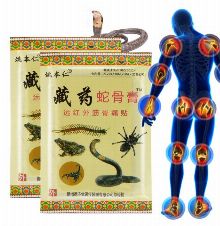
HEALTH - BACK PAIN - How to win your WAR against BACK PAIN-an estimated 80% of us will HAVE THIS!
We ALL have it sometimes! Some people live with it ALL THE TIME! But this 127 page EBOOK is for EVERYONE!
Why have it AT ALL?
How To Win Your War Against Back Pain
Causes Of Back Pain
Back pain will inhibit millions of Americans this year, and an estimated 80% of us will experience
back pain sometime in our lives. For some, the pain can be excruciating.
Back pain can be caused by a large number of injuries or conditions, thus making a proper diagnosis both difficult
and critical.
Back pain that occurs with other symptoms like fever and chills, severe abdominal
pain or bladder and bowel problems can be an indication of a serious medical condition, and
should be evaluated by your doctor immediately.
Musculoskeletal strains are more common among people who live sedentary lifestyles. Those
with a higher level of physical fitness generally have stronger muscles in the back, legs and
abdomen, all of which help support the back.
Perhaps the most significant risk factor is obesity.
The strain of carrying excess weight can contribute greatly to back pain.
Regular exercise and
a balanced diet can help control obesity, and reduce the frequency of back pain episodes.
There are many conditions that can cause back pain other than musculoskeletal strains.
They include:
•
Arthritis, a disease that causes inflammation of the joints. Three types of arthritis that affect
the spine are osteoarthritis, rheumatoid arthritis and ankolyzing spondylitis.
•
A herniated disc, or ruptured disc, occurs when the hard outer coating of the discs, the
circular pieces of connective tissue that cushion the vertebrae, are damaged.
These discs may
leak, irritating nearby nerves. A herniated disk can cause severe sciatica, nerve pain that
radiates down the leg.
•
Spinal stenosis is a condition where the spinal canal narrows, compressing the nerves
inside. It is often caused by bone spurs which are a result of osteoarthritis.
Compression of the
nerves can lead to pain, numbness in the legs and the loss of bladder or bowel control.
•
Spondylolisthesis is a condition where a vertebra of the slips out of place.
As the spine tries
to stabilize itself, the joints between the slipped vertebra and adjacent vertebrae can become
enlarged. This can pinch nerves, causing low back pain and severe sciatica leg pain.
•
Vertebral fractures can be caused by trauma or by osteoporosis, a disease where the bones
become fragile.
•
Degenerative disc disease is an aging process where the discs between the vertebrae break
down over time.
How To Prevent Back Pain
Simple lower back pain can be caused by straining the muscles, tendon or ligaments of the
lower back.
The most effective prevention is to take care as to how you lift heavy objects. Do
not try to lift any significant weight by bending over the object.
You should bend your knees and
then lift with your legs. Avoid twisting your body while lifting.
When moving heavy objects,
pushing is less stressful than pulling. Routine activities, such as housework or gardening, can
cause back pain. Avoid standing flat-footed while bent over.
A sedentary lifestyle will contribute to back problems.
Regular exercise will improve the flexibility and strength of the muscles which support your
lower back.
These include the abdominal muscles, as well as those in the legs and back. A
simple exercise routine can help prevent back pain throughout your life.
Obesity is a common
cause of back pain. Aerobic exercise can help manage weight concerns. Swimming, jogging or
even walking are all activities that will help you lose weight and feel better.
In addition to exercise, a proper diet is essential in managing your weight. However, there are
also two nutrients, calcium and vitamin D, that help build healthy and strong bones and prevent
osteoporosis, which can cause bone fractures that lead to back pain.
Many people whose jobs involve sitting for long periods of time experience back pain. It is
important to get up and move around regularly. If driving for long periods of time, take the time
to stop and get out of your vehicle.
Stretching your muscles and improving blood flow to your lower body will help prevent back
pain, as well as help keep you alert for the rest of your trip.
Changing the position in which you sleep can also help prevent back pain.
The best positions
are either to sleep lying on your side with your legs bent, or lying on your back with a pillow
under your knees.
A firm mattress is usually the best bet. A sheet of plywood can be placed
between the box spring and the mattress in order to increase the firmness of your bed.
Non-Surgical Treatment For Back Pain
Back pain may be relieved with a variety of techniques.
For most common occurrences of back
pain, a regiment of rest, hot and cold compresses, exercise and therapy, as well as various pain
medications can be used to reduce the pain and provide a level of comfort.
Hot and cold compresses, used separately or by alternating, can have great benefit in reducing
back pain.
Heat is used to relax the muscles. It works by dilating the blood vessels, which
improves the flow of oxygen to the affected area and reduces pain and muscle spasms.
Cold
packs are used to reduce inflammation, such as that from arthritis or injury.
This works by
decreasing the size of blood vessels and the flow of blood to the area.
It is important to avoid
prolonged application of either heat or cold packs, especially near the organs found in the
abdominal cavity.
Exercising is of great benefit both to someone suffering from back pain and for anyone hoping
to avoid it in the future. If you are suffering from acute back pain, exercising may not be
possible or even a good idea.
However, for chronic back pain, a regular exercise program is recommended. Exercises will
help strengthen the muscles that support the back, and increase flexibility and range of motion.
A physical therapist can help you in developing an exercise plan that is suitable for you and your
condition.
Nonprescription medicines can be used to reduce pain. They include medications like aspirin
Tylenol, which are meant for general pain relief.
Anti-inflammatory drugs are used to reduce
swelling. These include such nonprescription medications as ibuprofen (Motrin, Advil).
Stronger prescription-based medication is available, both as pain relievers and anti-
inflammatories.
2.99
USD
InStock